Why enterprise technology projects fail before they reach production
Across most organizations in Colombia and the region that have tried to modernize their systems, there is an uncomfortable statistic that rarely gets said out loud in the boardroom: most technology transformation projects never reach production in any sustainable way.
They stall at the pilot stage, in proofs of concept that impress in a presentation but never operate on real data, under real load, with the real problems any complex organization has.
This is not a technology problem. It is a problem of systems design, of governance, and above all of expectations miscalibrated from the very start.
The successful-pilot illusion
A successful pilot is, paradoxically, one of the least reliable indicators that a project will work in production. Pilots run under controlled conditions: clean data, small volumes, motivated users who know they are being watched, and none of the friction of the legacy systems that already exist in the organization.
When that same system has to coexist with fifteen-year-old databases, with manual processes nobody documented, and with users who were never part of the pilot, the conditions change completely. What worked in the pilot starts showing cracks nobody anticipated, because nobody went looking for them.
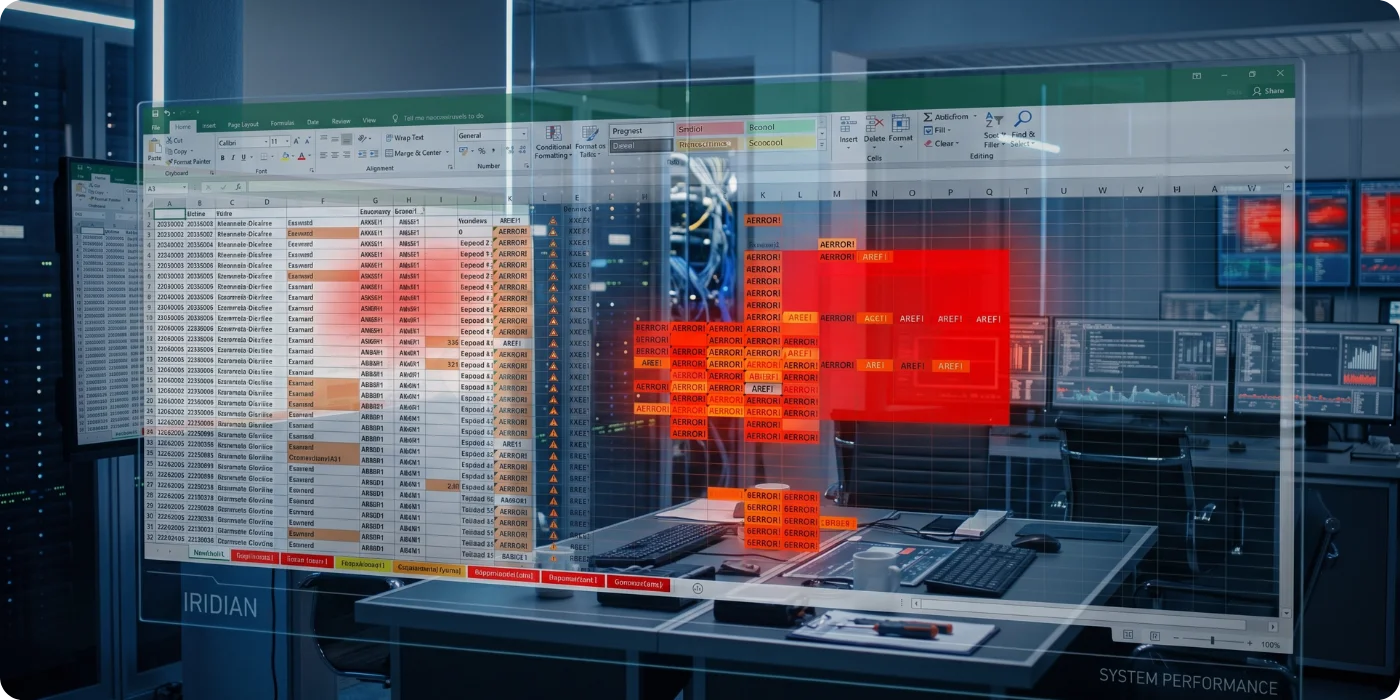
The question almost never asked during the pilot phase is this: can this system operate under the real, degraded conditions of our organization, rather than the ideal conditions we built to test it?
The five patterns that keep repeating

1. It was designed to impress, not to operate. Many enterprise technology projects are structured around a presentation milestone: the board demo, the internal press launch, the quarter deadline. That pressure tilts architectural decisions toward what looks good on the day, not toward what sustains daily operation for years. A critical system is not measured by how it looks on launch day, but by how it behaves eighteen months later, with dirty data, demand spikes, and regulatory changes nobody saw coming.

2. Nobody defined who owns the system after launch. It is surprisingly common for a project to have a clear owner during implementation — usually a project manager or an external consultant — only for that ownership to dissolve the moment the system goes into production. Without clear governance over who makes maintenance decisions, who approves changes, and who answers when something fails at two in the morning, the system is orphaned. And an orphaned system degrades fast.
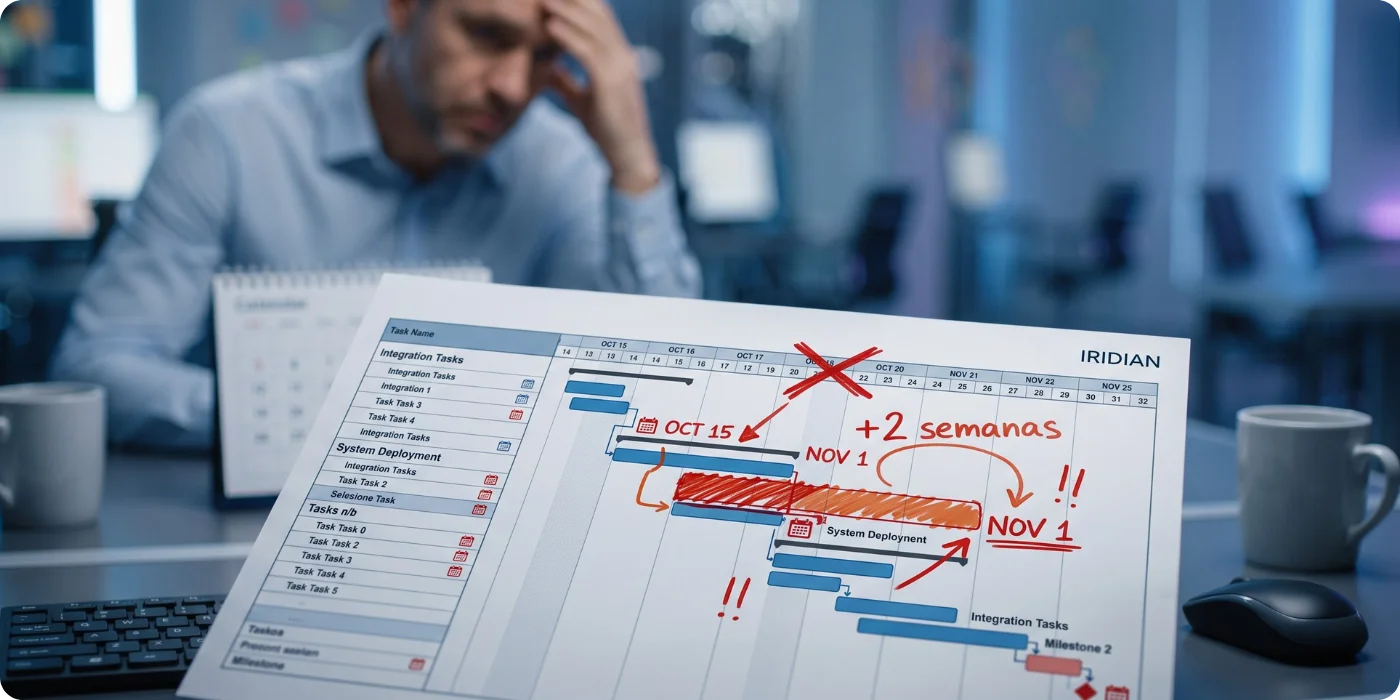
3. Integration with what already exists was systematically underestimated. Building something new from scratch is, counterintuitively, simpler than integrating it with fifteen legacy systems the organization already has running, however imperfectly. In our experience supporting technology integration projects in Colombia and Latin America, integration effort is systematically underestimated — in many cases by between 40% and 60% of the real time and budget.
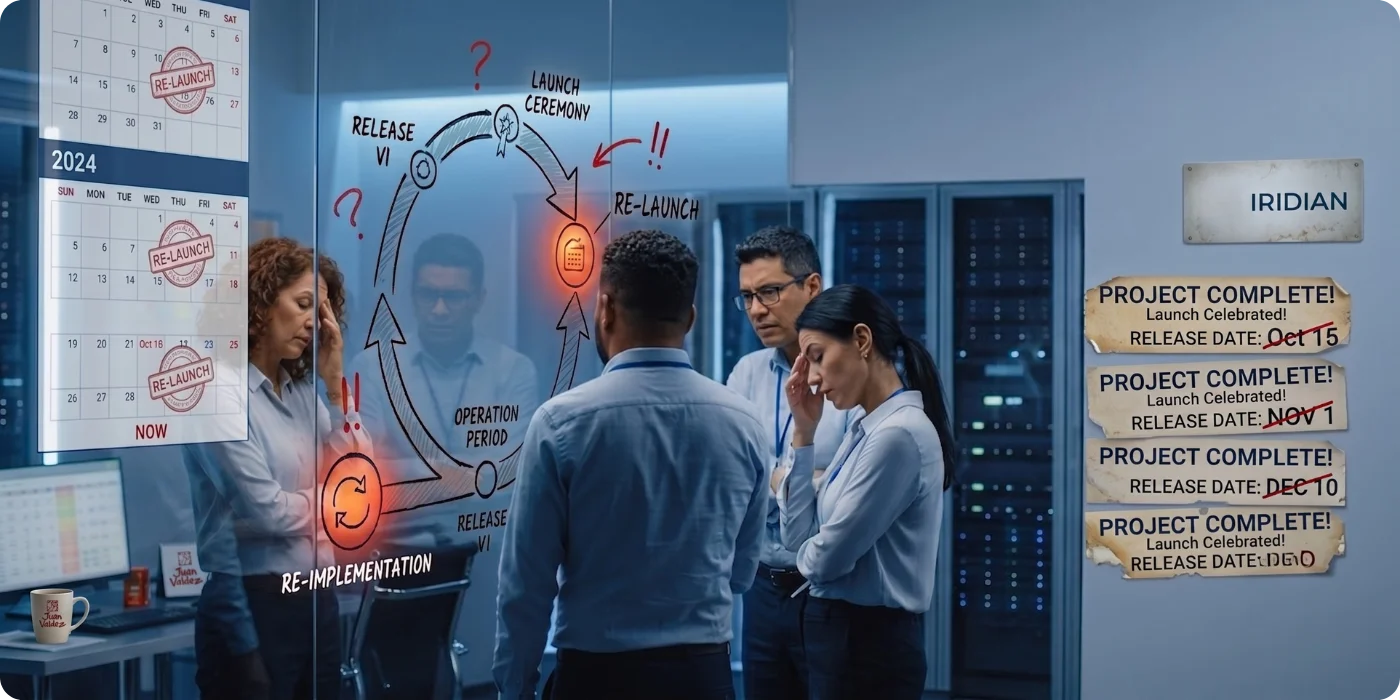
4. The team that built it is not the team that operates it. When critical technical knowledge lives only in the heads of an external vendor or a consulting team that walks away at the end of the contract, the organization is left dependent on people who are no longer there. This produces a familiar pattern: the system works well for the first few months, and then starts failing in ways nobody internally knows how to diagnose.
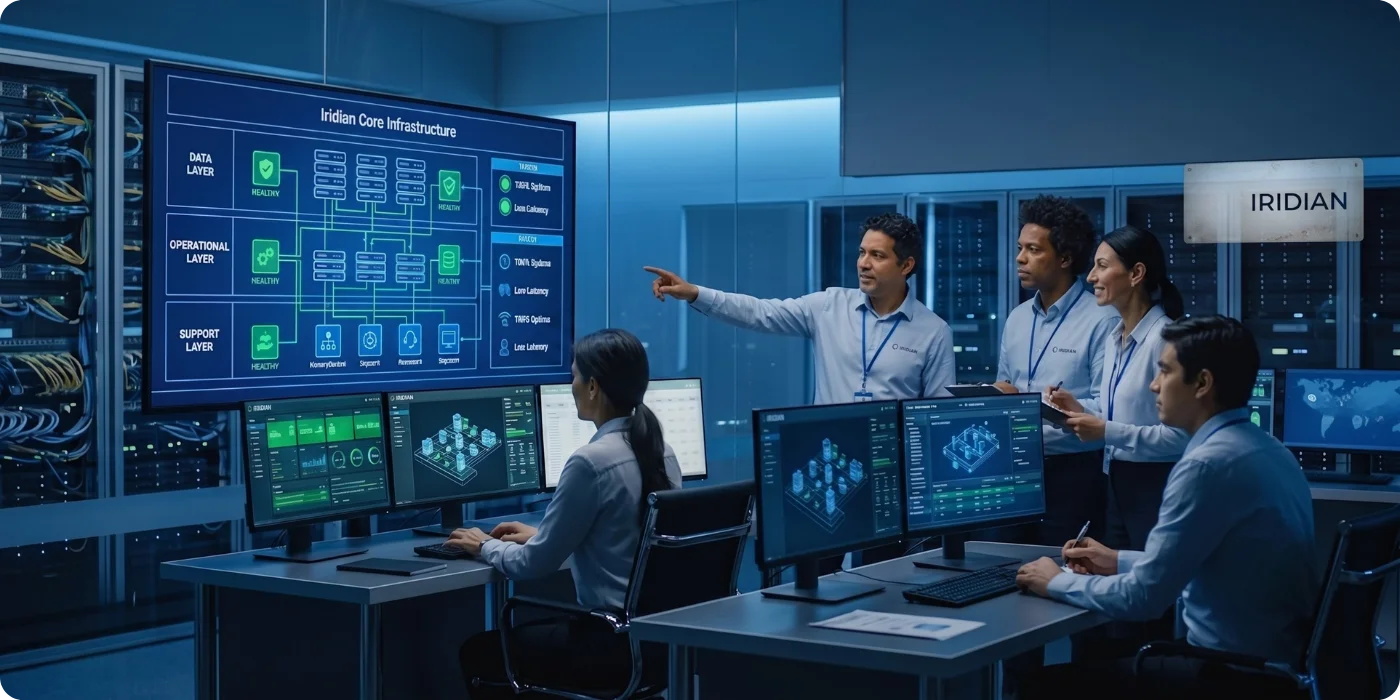
5. It was treated as a project, not as a living system. Projects have an end date. Critical systems do not. The conceptual difference between "implementing a system" and "operating a system" is what separates the organizations that manage to sustain their technology over time from the ones that restart the same project every three years with a different vendor.
What changes when the system is designed for production from day one
Organizations that end up with sustainable technology systems do not get there by having better technology. They get there because they design, from the very first conversation, with the operation in mind rather than the launch. That means a few decisions that look small but change the final outcome:
- Define from the outset who operates the system after implementation, not just who builds it.
- Design the architecture assuming imperfect data and real volume, not test data.
- Build diagnostic and monitoring capability from day one, not as a later add-on.
- And above all, treat technical knowledge transfer as a formal project deliverable, with the same seriousness given to handing over the code.
The question every CTO should ask their next technology vendor
Before approving the next technology transformation project, it is worth asking a single question that reveals more than any commercial proposal: what happens to this system eighteen months after you leave?
If the answer is not clear, specific, and verifiable, it is a sign that the project is designed to be delivered, not to be operated. And a system that cannot operate sustainably is not a business tool: it is technical debt with an expiry date.
At Iridian, this principle guides every project: we do not design systems for launch day, we design them to keep working years later, under the real conditions of complex organizations in this region. That difference, however subtle it looks at proposal stage, is what determines whether a technology investment becomes sustained competitive advantage or just another project that gets shelved.